Misinformation and disinformation are often used as if they mean the same thing. They do not, and the difference matters. One is a mistake; the other is a weapon. This guide explains misinformation vs disinformation in plain terms, with examples, and shows you how to check a claim before you become part of the chain that spreads it.
Misinformation vs Disinformation: The Short Answer
- Misinformation is false or misleading information shared by someone who believes it is true. There is no intent to deceive.
- Disinformation is false or misleading information created or shared on purpose, to deceive people, cause harm, or gain money or power.
The difference is intent, not content. The same false claim can be both: it often starts as disinformation, created deliberately by someone who knows it is false, and then spreads as misinformation, passed on by ordinary people who believe it.
The word “disinformation” itself comes from the Russian dezinformatsiya, the name the Soviet intelligence services gave to deliberately planted false stories. Deliberate deception is built into the term.
A third term: malinformation
Researchers also use malinformation for information that is true but used to cause harm, such as leaking someone’s private messages, publishing their home address, or sharing a real photo stripped of its context to mislead.
Examples of Each
Misinformation
- A relative shares a “health tip” claiming a common food cures a serious illness, believing it will help.
- Someone reposts a dramatic flood photo during a storm without realising it was taken years earlier in another country.
- A satirical article is shared as if it were real news by people who did not spot the joke.
Disinformation
- Before a 2024 US primary election, voters received robocalls using an AI-cloned voice of President Biden urging them not to vote. It was created deliberately to mislead.
- Networks of fake accounts push the same invented story at the same time to make it look like a popular view.
- Scammers create fake news articles showing a celebrity endorsing an investment scheme, to steal money from readers.
- State-backed operations publish fake “local news” sites that mix real stories with planted false ones.
Our collection of fake news examples shows the patterns these stories tend to follow.
Why the Difference Matters
Knowing which one you are dealing with changes how to respond.
- Misinformation is usually fixed by correction. Most people who share something false will take it down when shown good evidence, especially if you approach them without mockery.
- Disinformation needs exposure. The people behind it already know it is false, so correcting them does nothing. What helps is revealing who is behind it, how it is being spread, and why.
Disinformation campaigns also rely on misinformation to succeed. They do not need to fool everyone, only enough sincere people who will pass the claim on in good faith. Each well-meaning share makes the lie look more credible, because it now comes from someone’s friend rather than from an unknown account.
Who Creates Disinformation, and Why
- Governments and political groups, to influence elections, divide opponents or justify policies.
- Scammers, who use fake stories, fake endorsements and fake urgency to steal money.
- Clickbait operators, who earn advertising money from outrage, regardless of truth.
- Activists and interest groups of all kinds, who sometimes decide the cause justifies the lie.
What they share is that they rarely put their real names to it. Disinformation travels through anonymous accounts, fake profiles, sites with no named owner, and AI-generated faces and voices. If the source cannot be held to account, there is nothing to lose by lying.
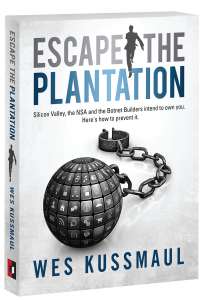
Lies spread fastest from sources no one answers for. Why the internet makes that so easy is the subject of Wes Kussmaul’s Escape the Plantation, and you can get a free copy at the end of this article.
How to Avoid Spreading Either: The SIFT Method
The SIFT method, developed by digital literacy researcher Mike Caulfield, is a quick routine for checking a claim before you share it.
- Stop. Notice how the post makes you feel. Strong anger, fear or delight is a cue to slow down, because disinformation is designed to provoke exactly those reactions.
- Investigate the source. Who posted it? Look at the account or website: how old it is, who runs it, and what else it publishes.
- Find better coverage. Search for the claim and see whether reliable outlets are reporting it. If something this big is true, it will rarely be found in only one place.
- Trace it to the original. Follow quotes, statistics, photos and videos back to where they first appeared, to check that they have not been cut, edited or taken out of context.
For images and video, add a reverse image search and the checks in our guides Is This Image AI? and What Is a Deepfake?
What to Do When Someone You Know Shares It
- Assume good faith. Most people sharing false information believe it. Treat it as misinformation unless you have reason to think otherwise.
- Talk privately where you can. A private message is less likely to make someone defensive than a public correction.
- Share a source, not just a verdict. Link to a reliable fact check or the original context, so they can see for themselves.
- Focus on the trick, not the person. Explaining how a photo was taken out of context helps them spot the next one too.
- Report coordinated fakes. If you see networks of accounts posting identical claims, report them to the platform.
Frequently asked questions
What is the difference between misinformation and disinformation?
Misinformation is false information shared by people who believe it is true. Disinformation is false information created or spread deliberately to deceive. The difference is the intent of the person sharing it.
Can misinformation become disinformation?
The opposite is more common: a lie created on purpose as disinformation is then shared in good faith by people who believe it, becoming misinformation. But if someone keeps sharing a claim after learning it is false, they are spreading disinformation.
What is malinformation?
Malinformation is information that is true but used to cause harm, such as leaking private details, doxxing someone, or sharing a genuine photo out of context to mislead.
What are examples of disinformation?
Fake robocalls using a cloned politician’s voice, coordinated networks of fake accounts pushing the same story, fake celebrity endorsements for investment scams, and fake “local news” sites set up by political operations.
How can I tell if something is misinformation?
Use the SIFT method: stop, investigate the source, find better coverage from reliable outlets, and trace claims, quotes and images back to their original context before you share them.
Related reading
- Fake News Examples: Twelve Patterns to Recognise
- How to Spot Fake News: The Tricks That Do the Work
- Propaganda Tactics: The Nine Moves to Recognise
- What Is a Deepfake? How to Spot One and Protect Yourself
Lies spread fastest from sources no one answers for: anonymous accounts, fake profiles and websites with no named owner. Wes Kussmaul’s Escape the Plantation explains why the internet lets anyone publish without accountability, and how verified, accountable identity would change that. Enter your email below to get your free copy and follow Goebbelsology’s work on spotting manipulation.