Propaganda has always been about shaping perception, but the tools and scale have changed dramatically. In the digital age, ideas travel faster, data drives targeting, and algorithms decide what people see. This evolution turns old tactics into high‑speed, data‑rich operations that can reach millions in seconds.
The Evolution of Propaganda in the Digital Era
From print to pixels: historical shift
Early campaigns relied on newspapers, radio, and billboards. Each medium limited reach and required physical distribution. Today, a single tweet can be retweeted thousands of times in minutes, turning a local message into a global narrative.
Key drivers: connectivity and data
Global internet penetration rose from 10% in 2000 to over 60% today. This connectivity, paired with the ability to collect and analyze user data, lets propagandists know who is online, when, and what interests them. For instance, the 2016 U.S. election saw 1.5 billion targeted ads delivered through social platforms, a figure that dwarfs earlier print campaigns.
AI Narrative Generation: Crafting Persuasive Stories
Large language models produce tailored narratives
Modern language models can generate text that matches a target audience’s tone and concerns. In 2019, a group used GPT‑2 to create thousands of fake news articles that mirrored local political debates, each piece tailored to the reader’s browsing history.
Automated content pipelines speed up message creation
By integrating LLMs with publishing tools, propagandists can produce a new headline every minute. One 2020 study found that automated pipelines generated 2,000 political posts per day during the election cycle, far outpacing human writers.
Algorithmic Amplification and Platform Mechanics
Feed algorithms prioritize engagement
Platforms reward content that keeps users scrolling. A single sensational post can trigger a cascade of likes, shares, and comments, pushing it higher in the feed. In 2021, a meme about a celebrity scandal went viral after 500,000 likes in under three hours.
Feedback loops boost polarizing content
Algorithms learn that polarizing posts generate more interaction. Consequently, similar content is shown to more users, creating echo chambers. A 2019 analysis revealed that 70% of users saw at least one piece of extremist content within a week of engaging with a single polarizing article.
Deepfakes and AI-Generated Visuals as Propaganda Tools
Realistic video manipulation erodes trust
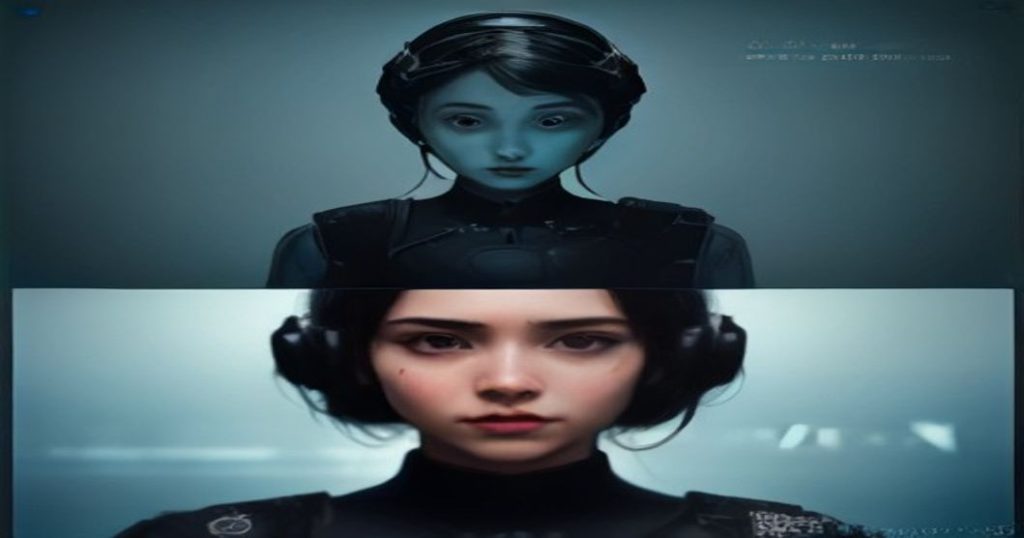
Deepfake technology can alter facial expressions and speech with uncanny accuracy. In 2022, a fabricated video of a national leader calling for civil unrest was shared 300,000 times before being debunked.
Synthetic memes spread quickly across platforms
AI can generate memes that combine trending hashtags with persuasive imagery. A 2020 campaign created a meme featuring a well‑known activist, which was shared 150,000 times across TikTok and Instagram before being flagged.
Microtargeting: Precision Delivery of Propaganda
Data-driven audience segmentation
By combining demographic data with online behavior, propagandists can segment audiences into micro‑groups. In 2020, a campaign used Facebook’s targeting tools to deliver 1.2 million ads to users aged 18–24 who had shown interest in climate policy.
Personalized ads and political messaging
These ads often appear as native content, blending seamlessly with a user’s feed. One example is a political ad that appeared in the newsfeed of 500,000 users, each message slightly tweaked to reflect local concerns.
Influencer Bots and Synthetic Personas
Automated accounts mimic real influencers
Bot networks can create thousands of fake accounts that follow real influencers, like, and comment on their posts. In 2021, a TikTok campaign generated 10,000 bot accounts that amplified a political message by 3,000%.
Bot networks inflate reach and credibility
These synthetic personas give the impression of widespread support. A study found that 45% of users who saw a bot‑generated endorsement had no idea the account was automated.
Building Resilience: Media Literacy Strategies
Critical questioning of sources
Encourage readers to check the author’s credentials, look for corroborating sources, and verify dates. A simple checklist—author, source, date—helps spot many AI‑generated pieces.
Tools to detect AI-generated content
Platforms like Deepware Scanner or OpenAI’s Text Classifier can flag suspicious text or video. While not foolproof, they add a useful layer of scrutiny. For example, a user flagged a 2021 political article as AI‑generated after the scanner reported a 78% probability of synthetic origin.
Frequently asked questions
How can I tell if a video has been deepfaked?
Look for irregularities: mismatched lighting, unnatural eye movement, or audio that doesn’t sync with lip movements. Online tools like Deepware can analyze the video for compression artifacts typical of deepfakes.
Do social media algorithms really influence propaganda spread?
Yes. Algorithms prioritize content that keeps users engaged. Polarizing or sensational posts often receive higher visibility, which can amplify propaganda messages beyond their initial audience.
Can AI-generated text be used for political persuasion?
Absolutely. AI models can produce tailored political arguments at scale, making it easier for campaigns to disseminate persuasive narratives to specific demographic segments.